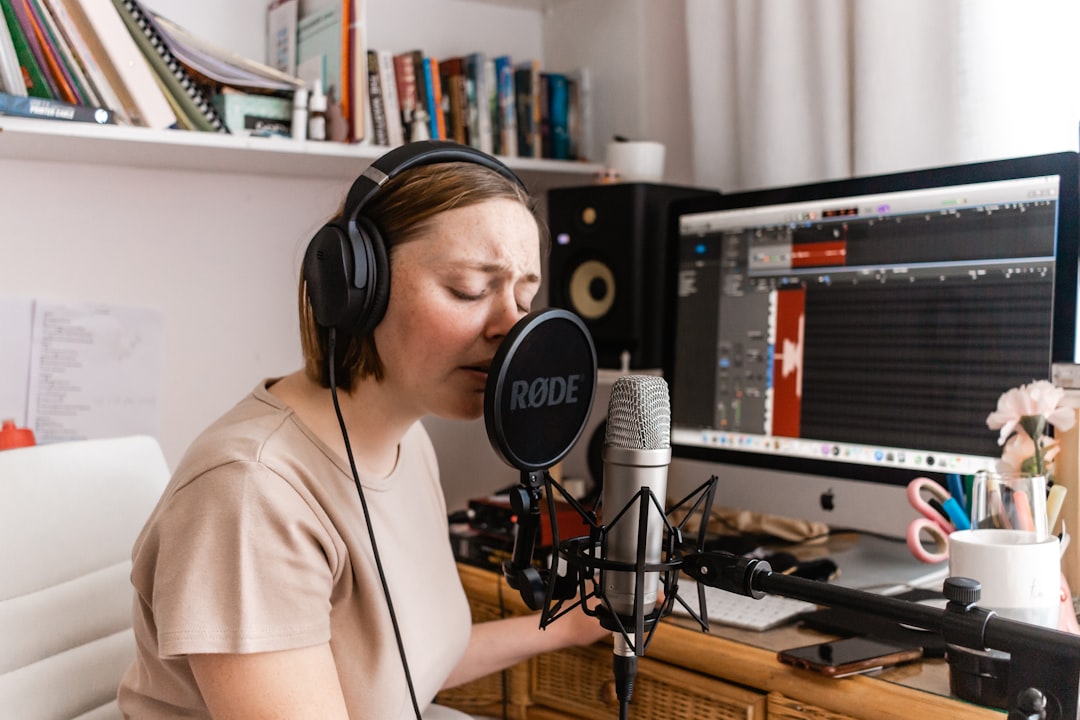
The e-learning voiceover market has exploded over the last several years, and it shows no signs of slowing down. Corporate training departments, online universities, independent course creators, and platforms like Udemy and Coursera all need professional narrators to bring their content to life. If you're a voice actor looking for steady, well-paying work, this is a niche worth your serious attention.
I've coached dozens of voice actors into successful e-learning careers, and I can tell you that breaking in is very doable once you understand what clients actually want and how to position yourself. Let me walk you through it.
Why E-Learning Is Worth Your Focus
Most voice actors start out chasing commercial work or animation. Those are great genres, but they're also fiercely competitive and inconsistent. E-learning voiceover jobs, on the other hand, tend to be longer projects with better per-hour rates and repeat clients.
A single corporate training module might require 30 to 60 minutes of finished audio. An online course could mean 5 to 10 hours of narration spread over weeks. That kind of volume creates real income stability. And once a client trusts you, they'll keep coming back every time they update a course or launch a new one.
The demand for e-learning narrators is driven by real structural shifts. Remote work has forced companies to move their training online. Higher education is investing heavily in digital content. Health care, finance, tech, and compliance training all require frequent updates. You're not chasing a trend here. You're tapping into a need that isn't going away.
What E-Learning Clients Are Actually Looking For
Here's something that surprises a lot of voice actors: e-learning clients don't want a "performance." They want clarity, consistency, and a voice that sounds like a knowledgeable colleague explaining something important.
Think about the best teacher or trainer you've ever had. They didn't shout or use a radio voice. They spoke with authority, warmth, and a pace that let you absorb information. That's the target.
Specifically, clients hiring voiceover for online courses are looking for:
- Clear, natural diction without sounding overly polished or robotic
- Consistent tone and energy across long scripts (sometimes 10,000+ words)
- Accurate pronunciation of industry-specific terminology
- Quick turnaround and easy communication
- Technical audio quality that meets professional standards
That last point matters more than you might think. E-learning audio gets embedded into platforms, LMS systems, and apps. If your recordings have background noise, inconsistent levels, or mouth clicks, you'll lose the client fast.
Building Your E-Learning Demo
You won't book e-learning voiceover jobs without a demo that proves you can do the work. Your commercial demo won't cut it here. You need a dedicated e-learning demo reel, typically 60 to 90 seconds, that showcases your ability to handle instructional content.
A strong e-learning demo should include three to four short samples across different subject areas. For example:
- A corporate compliance training excerpt
- A software tutorial walkthrough
- A university-level course on a topic like psychology or business
- A medical or technical training segment
Each sample should sound like it was pulled from a real course. Write or source scripts that include industry jargon and data points so clients can hear how you handle complex material. Vary your tone slightly between samples to show range, but keep everything grounded in that clear, conversational authority.
If you're not sure your demo is competitive, that's exactly the kind of thing a coaching session can help you nail down. Getting objective feedback before you start marketing saves you months of spinning your wheels.
Setting Up for E-Learning Success
Your home studio setup matters a lot in this niche. E-learning clients expect broadcast-quality audio, and most of them won't do post-production cleanup for you.
At minimum, you need:
- A condenser or dynamic microphone suited for spoken word (the Sennheiser MKH 416 and Rode NT1 are popular choices)
- A treated recording space with minimal room reflections and outside noise
- A reliable audio interface and recording software
- The ability to deliver edited, mastered files in the format the client specifies (usually WAV or MP3 at specific sample rates)
Consistency is the keyword. If you record the first module of a 20-module course and your room sounds different on module 12 because you moved your desk, that's a problem. Lock in your setup and keep it consistent.
You should also get comfortable with pronunciation guides and phonetic markup. E-learning scripts are full of names, acronyms, and technical terms you've never seen before. Clients respect narrators who ask smart questions upfront and deliver clean first takes.
Finding and Landing E-Learning Work
Once your demo and studio are ready, it's time to find clients. There are several reliable channels for landing e-learning narrator work:
- Freelance marketplaces like Upwork and Fiverr (useful for building a client roster, though rates can start low)
- VO-specific platforms like Voices.com, Voice123, and Bodalgo
- Direct outreach to instructional design companies, corporate L&D departments, and e-learning development studios
- LinkedIn networking with instructional designers and course creators
Direct outreach is where the real money lives. Instructional design firms produce courses for Fortune 500 companies, and they need reliable voice talent on retainer. A well-crafted email with a link to your e-learning demo can open doors that marketplace profiles never will.
When you're pitching, focus on reliability and turnaround as much as vocal quality. E-learning projects run on tight production timelines. Clients will pay a premium for a narrator who delivers clean audio on schedule without hand-holding.
Pricing Your E-Learning Work
Rates for voiceover for online courses vary widely, but here are some general benchmarks. Most professional e-learning narrators charge either per finished hour (PFH) or per word.
- Per finished hour: $250 to $500+ for non-broadcast corporate and educational content
- Per word: $0.10 to $0.25 for longer-form projects
Your rate should reflect your experience, the complexity of the material, and whether the client needs additional services like audio editing or pronunciation research. Don't undersell yourself, but also be realistic about where you are in your career. A newer narrator charging $500 PFH with no client history will struggle against an experienced e-learning narrator with a proven track record.
As you build relationships and a portfolio of completed projects, your rates will naturally increase. Repeat clients are the foundation of a profitable e-learning career, and they come from consistently excellent work.
Start Building Your E-Learning Career Today
E-learning voiceover is one of the most accessible, sustainable niches in the voice acting industry. The demand is real, the pay is solid, and the work rewards the skills that matter most: clarity, professionalism, and reliability.
If you're ready to break into this space but want expert guidance on your demo, your delivery, or your business strategy, book a coaching session with me. I'll help you build a focused plan so you're not just guessing at what works. Let's get you booking e-learning work with confidence.
Get voiceover tips in your inbox

Trevor O'Hare
Voiceover Coach & Founder of VOTrainer
Trevor is a professional voice actor turned coach with over two decades in audio production. He has completed thousands of voiceover projects for brands of all sizes and now helps aspiring and working voice actors build their careers through 1-on-1 coaching, demo production, and online courses. He also works as a full-time voiceover artist at TrevorOHare.com. Looking to hire voice talent? Check out RealVOTalent.com.
Related posts
How Long Does It Really Take to Become a Voice Actor?
How long does it take to become a voice actor? A realistic timeline for career-changers, from your first training session to paid bookings.
How Much Do Voice Actors Make? Income Guide for 2026
What voice actors actually earn in 2026, from hobbyist side income to six figures, with real rate data from SAG-AFTRA, the GVAA Rate Guide, and the BLS.
Voice Acting vs Voiceover: What Is the Difference?
Voice acting and voiceover get used interchangeably, but they describe two different things: one is a category of work, the other is a performance craft. Here is what separates them and why it matters for your career path.