How to Build a Voiceover Portfolio With No Experience
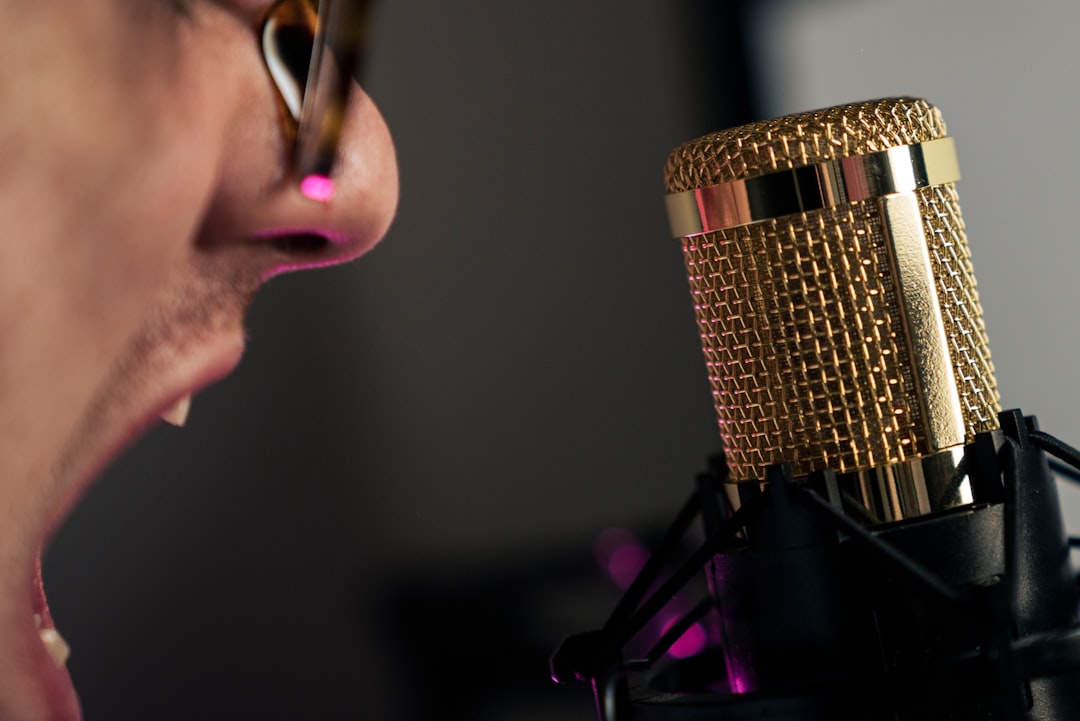
Every new voice actor hits the same wall. Casting directors want to hear your work before they hire you, but you can't get work until someone hears your portfolio. It feels like a locked door with the key on the other side.
The good news is that a voiceover portfolio works differently from a resume. Nobody listening to your samples asks who paid for them. They ask one question only: can this person deliver a believable, professional read? That means you can build a voice acting portfolio entirely from self-produced work, and if the quality is there, it will open doors just like paid credits would. I've coached plenty of students who booked their first real jobs off portfolios made of nothing but practice scripts recorded in a closet.
Let's walk through how to do it right.
Gather Scripts Before You Hit Record
The biggest mistake beginners make is hitting record before they have anything worth recording. Your portfolio is only as strong as the material in it, so spend real time gathering scripts first.
You have a few legitimate options:
- Write your own. Watch three or four commercials in a genre you want to work in, study the structure, then write something similar for a fictional brand. A 15-second spot for "Copper Kettle Coffee Roasters" that you wrote yourself is completely legitimate portfolio material.
- Transcribe and adapt. Listen to real ads, note the rhythm and word count, then rewrite them with new products and copy. You're borrowing the structure and writing your own words.
- Use practice script libraries. Sites like Edge Studio offer free practice scripts specifically for this purpose. Just know that many other beginners use the same ones, so adapt them where you can.
One important rule: never record copy from a real brand's actual ad and present it as your work. It confuses listeners into thinking you booked that job, and in a small industry, that reputation damage follows you.
Aim for variety. Pull together scripts for a commercial read, a narration piece, an explainer or e-learning sample, and maybe a character or promo read if that's your lane. Three to five genres is plenty for a beginner voice actor portfolio.
Record Short, Polished Samples
You don't need a produced demo yet. Clean, well-performed samples of 30 to 60 seconds each will do the job. Short is better. A casting director or potential client decides within the first few seconds whether to keep listening, so front-load your best delivery.
Quality standards to hit before anything goes public:
- A quiet space. You don't need a Whisper Room booth like I use. A closet full of clothes, a corner treated with moving blankets, or a small carpeted room can get you a usable noise floor.
- A decent microphone. A USB mic in the $100 to $150 range is fine to start. The room matters more than the mic. A $1,000 microphone in an echoey bedroom sounds worse than a $100 mic in a treated closet.
- Clean editing. Remove mouth clicks, breaths that distract, and long gaps. If you're not comfortable editing yet, keep it simple: normalize your levels and cut the obvious flaws.
Record each script at least ten times. Seriously. Your first take is almost never your best, and the discipline of re-reading with different intentions is where the actual acting develops.
Create Projects That Look Like Real Work
Self-directed projects are the fastest way to make your portfolio feel like a working actor's body of work instead of a practice folder.
Some ideas that work well:
- Narrate a public domain short story. Project Gutenberg is full of them. A five-minute excerpt from a classic story shows stamina, pacing, and character consistency, which matters if you want audiobook work.
- Voice an explainer for a real small business you know. Offer to record a free 60-second explainer or phone greeting for a friend's business. Now you have a real client, a real use case, and often a testimonial.
- Pair up with video creators. Student animators, indie game developers, and YouTube creators constantly need voices and rarely have budgets. Sites like CastingCallClub and indie game forums are full of these projects. The pay is usually nothing, but the finished piece with visuals attached is portfolio gold.
Two or three finished projects like these transform how your portfolio reads. Instead of "here are my practice reads," it says "here is work I've completed."
Put It Somewhere Professional
A great voiceover portfolio buried in a Google Drive folder might as well not exist. You need a home for it that's easy to find and easy to play.
At minimum, set up:
- A simple one-page website. Your name, a photo, your samples embedded as playable audio, and a contact form. Squarespace, Carrd, or Wix can get this done in a weekend.
- A SoundCloud or similar hosting profile. Useful for sharing individual samples with a direct link.
- Profiles on casting platforms. Voice123, Casting Call Club, and similar sites let you upload samples and start auditioning. Auditioning itself is portfolio-building practice, and every audition sharpens your reads.
Label everything clearly. "Commercial Sample: Retail" tells a listener what they're about to hear. "Final_mix_v3.mp3" tells them you're not ready.
Upgrade As You Go
Your first portfolio is a starting point. Treat it like a living document. Every few months, listen back to your oldest samples. If they make you cringe, that's growth. Replace them.
The natural progression looks like this: self-produced samples get you small jobs and volunteer projects. Those projects give you real credits and better material. Once you're booking consistently and your performance skills are solid, that's the time to invest in a professionally produced demo, which becomes the centerpiece of your portfolio. Getting a demo produced before your skills are ready is one of the most expensive mistakes in this industry, and I see it constantly.
You Don't Need Permission to Start
Nobody hands out a license to call yourself a voice actor. The people who build careers in this business are the ones who start creating before anyone asks them to. Pick three scripts this week, set up your recording space, and get your first samples down. They won't be perfect. They don't need to be. They need to exist.
And if you want experienced ears on your work before it goes public, that's exactly what I do. My 1-on-1 coaching sessions are built for this stage: we'll review your samples together, tighten your reads, and map out what belongs in your portfolio and what doesn't. When you're ready for a professional demo down the road, I produce those too. Book a session and let's build a portfolio that gets you hired.
Get voiceover tips in your inbox

Trevor O'Hare
Voiceover Coach & Founder of VOTrainer
Trevor is a professional voice actor turned coach with over two decades in audio production. He has completed thousands of voiceover projects for brands of all sizes and now helps aspiring and working voice actors build their careers through 1-on-1 coaching, demo production, and online courses. He also works as a full-time voiceover artist at TrevorOHare.com. Looking to hire voice talent? Check out RealVOTalent.com.
Related posts
How to Get Repeat Clients as a Freelance Voice Actor
Constant prospecting burns out even talented voice actors. Here's how to turn one-off bookings into repeat clients who come back month after month, with specific tactics for delivery, follow-up, and staying top of mind.
Voiceover File Formats and Delivery: A Quick Guide
Confused about WAV vs MP3, sample rates, or how to name your voiceover files? This quick guide covers the delivery specs every voice actor needs to know before sending work to a client.
How to Use Social Media to Grow Your Voiceover Career
Social media can bring casting directors and clients straight to your inbox, but only if you post like a working voice actor instead of a hobbyist. Here's how to use Instagram, LinkedIn, and TikTok to build a brand that actually books work.