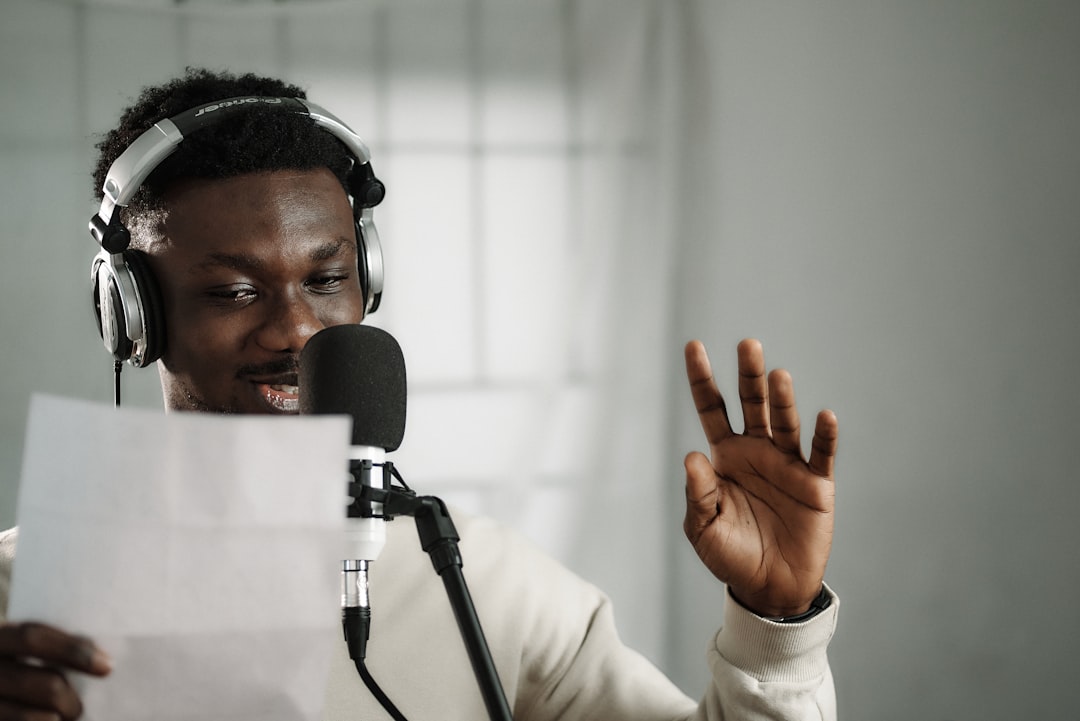
If you record from a home studio, you already know the reality: the vast majority of your sessions will happen with nobody on the other end giving you direction. No producer in your ear. No creative director nodding along. Just you, your mic, and a script.
Recording voiceover without a director is the norm for most working voice actors. And the talent who book consistently from home studios are the ones who've learned to wear both hats: performer and director. That's a skill worth developing, and it's absolutely something you can get better at with practice.
Understand the Brief Before You Hit Record
Self-directing voiceover starts before you ever open your DAW. The single biggest mistake I see with newer talent is jumping straight into recording without fully understanding what the client actually needs.
Read the creative brief. Then read it again. Look for clues about:
- Target audience. Who is this speaking to? A 25-year-old scrolling social media and a 60-year-old watching cable TV need very different reads.
- Tone descriptors. Words like "warm," "confident," "playful," or "matter-of-fact" are your roadmap.
- Where it will air. A pre-roll YouTube ad has different energy than an in-store announcement or an audiobook chapter.
- Pacing cues. Is there a strict time constraint? A :30 spot demands a different rhythm than a long-form e-learning module.
If the brief is thin or vague, ask questions before you record. A quick email that says "Just to confirm, you're looking for conversational and upbeat, not announcer-y?" can save you a re-record and protect the client relationship.
Record Multiple Takes With Intentional Variation
One of the most practical things I tell my coaching students: never send just one take. But also, don't just do the same read five times and hope one lands.
Each take should be a deliberate choice. Try shifting one variable at a time:
- Energy level. Bring one take down to a grounded, intimate read. Push another with a bit more brightness and momentum.
- Pacing. Speed up slightly on one pass. Let another breathe with longer pauses.
- Emphasis. Move the stress to different words in key phrases. "You deserve better" hits differently than "You deserve better."
- Smile. A physical smile changes your tone in ways that are subtle but real. Try one take with it, one without.
I typically recommend sending two to three selects to the client. Label them clearly ("Take 1: warmer/slower, Take 2: brighter/more energy, Take 3: middle ground"). This shows professionalism and gives the client options without overwhelming them.
Become Your Own Worst Critic (Then Your Own Best Coach)
When you're self-directing voiceover, you need to develop the ability to listen back objectively. This is harder than it sounds, because most of us default to either "that was great" or "I hate everything about that."
After each take, pause and listen back. Ask yourself specific questions:
- Did I actually sound like a real person talking, or did I slip into "announcer mode"?
- Were there any words I rushed through or swallowed?
- Did my energy stay consistent, or did I trail off at the end of sentences?
- Does this match the tone the brief is asking for?
One technique that helps: pretend you're the producer listening to auditions from ten different voice actors. Would this take make you stop and pay attention? Or would you skip ahead?
If something isn't working, diagnose why before you do another take. "That felt flat" isn't helpful direction. "I need more warmth in the opening line and a faster pickup after the pause" gives you something actionable to adjust.
Use Physical Techniques to Stay Out of Your Head
A common trap when recording voiceover without a director is overthinking. Without someone else's energy in the room, it's easy to get locked into a stiff, overly careful delivery.
Physical movement breaks that pattern. Try these:
- Stand up. If you're not already standing while you record, start. It opens your diaphragm and gives your read more presence.
- Gesture. Talk with your hands, even though nobody can see them. Your body and your voice are connected, and physical expressiveness translates to vocal expressiveness.
- Walk in place or shift your weight. Gentle movement keeps your energy from going static.
- Visualize a real person. Pick someone specific. Talk to them. A read aimed at "everyone" usually connects with no one.
I sometimes tape a photo near my mic of someone who represents the target listener. It sounds silly, but it works. It gives your brain a person to talk to instead of a cold microphone.
Build a Pre-Session Routine
Consistency matters. Professional voice actors who are great at self-direction tend to have a ritual they run through before every session. It puts them in the right headspace and catches technical issues before they become problems.
A solid pre-session checklist might include:
- Vocal warmup. Five to ten minutes of lip trills, tongue twisters, and gentle humming. Your voice needs to be warmed up the same way an athlete stretches before a game.
- Room check. Listen to your recording environment for a few seconds. HVAC noise, a neighbor's lawnmower, or a buzzing light can ruin an otherwise perfect take.
- Gear check. Confirm your levels, make sure your mic is positioned correctly, and do a quick test recording to catch any issues.
- Script markup. Go through the script and mark breaths, emphasis, pauses, and any tricky pronunciations. A marked-up script is your self-direction blueprint.
This routine doesn't need to take long. Fifteen minutes of prep can save you an hour of frustration.
Trust the Process and Keep Refining
Self-directing voiceover is a skill that develops over time. Your first hundred sessions of directing yourself will feel clunky. That's normal. You're building a muscle that most actors never had to build before home studios became the standard.
Record yourself regularly, even outside of paid sessions. Practice with scripts you find online, commercial copy from YouTube ads, or passages from books. The more reps you get, the faster your internal director develops.
And if you're finding that you consistently struggle with self-direction, or you're getting feedback from clients that your reads aren't landing, that's a sign it's time to get an outside perspective. Working with a coach, even for a few sessions, can identify blind spots you can't hear on your own. Sometimes the fastest way to become a better self-director is to spend time with a great director first.
If you want help sharpening your self-direction skills or building a home studio workflow that gets results, check out my 1-on-1 coaching options. A few targeted sessions can make a real difference in the quality and consistency of what you're sending to clients.
Get voiceover tips in your inbox

Trevor O'Hare
Voiceover Coach & Founder of VOTrainer
Trevor is a professional voice actor turned coach with over two decades in audio production. He has completed thousands of voiceover projects for brands of all sizes and now helps aspiring and working voice actors build their careers through 1-on-1 coaching, demo production, and online courses. He also works as a full-time voiceover artist at TrevorOHare.com. Looking to hire voice talent? Check out RealVOTalent.com.
Related posts
Networking Tips for Voice Actors Who Hate Networking
You can build a real voiceover network without working a single room. These voiceover networking tips are built for introverts who would rather record ten auditions than attend one mixer.
Voiceover Pacing and Timing: How to Nail Every Read
Strong voiceover pacing is what separates a natural read from one that sounds like someone reading. Here's how to control your tempo, find the rhythm in any script, and hit exact timing or word-count targets with confidence.
Microphone Technique Tips Every Voice Actor Needs
Your microphone is only as good as your technique. Learn how proper mic distance, positioning, and consistency can transform your voiceover recordings without spending another dime on gear.