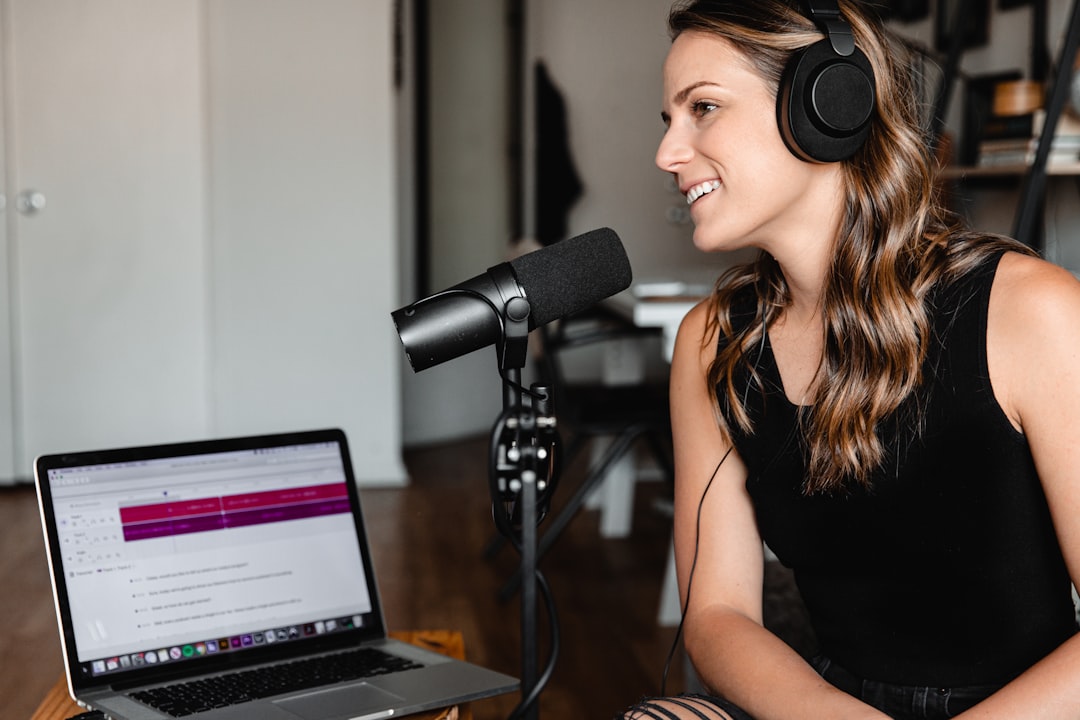
Most career-changers who email me are really asking one question hiding inside another. They say "how long to become a voice actor," but what they mean is "how soon can I replace some of my current income." Those are two different timelines, and confusing them is where a lot of frustration starts. So let me give you the honest version, broken into stages, with the kind of detail I wish someone had given me when I started.
First, Define What "Become" Actually Means
There are three milestones people lump together, and separating them changes the whole answer.
The first is being able to do the work, meaning you can read a script and deliver a clean, directable performance. The second is being bookable, meaning you have a demo, a home studio, and the technical reliability a client expects. The third is earning consistently, meaning paid work shows up often enough to matter to your bank account.
You can hit the first milestone in a few months of focused practice. The third can take a couple of years. When someone promises you a paycheck in six weeks, they're either selling something or quietly skipping steps. A realistic voiceover career timeline respects all three stages instead of pretending the first one is the finish line.
Voice Acting Training Time: The Skill-Building Phase
This is where your real foundation gets built, and it usually runs somewhere between three months and a year of consistent work before you sound bookable.
The wide range comes down to two things: how much acting experience you already have, and how often you actually practice. A former theater performer or someone with stage and improv background often moves faster because they already understand intention, subtext, and taking direction. Someone coming from a job with zero performance background needs more reps to get comfortable, and that's completely normal.
What does the work look like in this phase? A few concrete examples:
- Reading copy out loud daily, even just 15 minutes, and recording yourself so you can hear what a client would hear.
- Working with a coach on specific genres like commercial, narration, or e-learning, because each one rewards different choices.
- Learning to take an adjustment, so when a director says "warmer, less salesy, hit the second line harder," you can actually do it on the next take.
Self-teaching from YouTube can get you started, but it tends to bake in habits you can't hear yourself. Most people who try the fully solo route spend longer because they're practicing the wrong things confidently. Voice acting training time shrinks a lot when someone experienced is pointing out what you can't catch on your own.
Getting Demo-Ready and Studio-Ready
Once your reads are solid, you need two things before anyone will hire you: a professional demo and a recording space that doesn't sound like a kitchen.
A demo is not a project for week three. Producing one too early is the single most common waste of money I see. A good commercial demo represents the ceiling of what you can currently do, and if that ceiling is still low, you've spent a few hundred dollars on a calling card that undersells you. Wait until your coach agrees you're ready, which for most career-changers lands somewhere between month four and month eight.
On the studio side, you don't need a five-figure setup. A reasonable starting rig is a solid USB or XLR microphone, a quiet treated space (even a closet with moving blankets works), a pop filter, and clean editing software. Clients care that your audio is quiet, consistent, and free of room echo. They do not care what logo is on your microphone. Budget a few weekends to get the space right and to learn enough editing to deliver a clean file.
Landing the First Paid Work
The next stretch surprises people. You can be genuinely good and still wait months for that first booking, because being skilled and being found are separate problems.
Most beginners start on pay-to-play casting sites, where you audition against a large pool. Early on, you might submit dozens of auditions for every job you win, sometimes more. That ratio improves as your auditions sharpen and you learn which jobs actually fit your voice. Direct marketing, reaching out to production companies, agencies, e-learning developers, and local businesses, tends to pay off more slowly but builds the relationships that lead to repeat clients.
A practical expectation: from your first serious audition, plan on three to six months before money starts trickling in, and longer before it's predictable. Your first paid job is a milestone worth celebrating, but one booking is not a business. The goal is a pipeline, and pipelines take time to fill.
A Realistic Timeline for Career-Changers
Putting the phases together, here's what I tell people who are keeping their current job while they build:
- Months 1 to 6: Training and daily practice. Set up a basic home studio. No demo yet.
- Months 6 to 12: Produce your demo, start auditioning, win your first small jobs.
- Year 1 to 2: Build a client base, refine your niche, raise your rates as your reel grows.
- Year 2 and beyond: For many people, this is when income gets steady enough to consider going full-time, if that's the goal.
Treating it as a side pursuit first is the smartest move for most career-changers. You learn the craft, build a reputation, and grow income without betting the mortgage on a six-week miracle. The people who burn out are usually the ones who quit their job first and expected the timeline to bend to their savings account.
The Bottom Line on How Long to Become a Voice Actor
You can sound bookable in well under a year with focused training. Earning consistent income is more often a two-year project than a two-month one, and that's good news, because it means the bar to start is low and the people willing to do the real work still stand out.
If you want to compress that timeline and skip the expensive mistakes, the fastest path is honest feedback from someone who's already done it. That's exactly what one-on-one coaching is for, and it's the difference between practicing for a year and practicing the right things for a few months. If you're ready to find out where your voice actually stands today, book a coaching session and let's build your plan together.
Get voiceover tips in your inbox

Trevor O'Hare
Voiceover Coach & Founder of VOTrainer
Trevor is a professional voice actor turned coach with over two decades in audio production. He has completed thousands of voiceover projects for brands of all sizes and now helps aspiring and working voice actors build their careers through 1-on-1 coaching, demo production, and online courses. He also works as a full-time voiceover artist at TrevorOHare.com. Looking to hire voice talent? Check out RealVOTalent.com.
Related posts
How Much Do Voice Actors Make? Income Guide for 2026
A working VO coach breaks down what voice actors actually earn in 2026, with real rate data from SAG-AFTRA, the GVAA Rate Guide, and the BLS, plus the honest difference between hobbyist and full-time income.
How to Build a Profitable E-Learning Voiceover Career
E-learning is one of the fastest-growing voiceover niches, with companies, universities, and course creators constantly searching for reliable narrators. Here's how to build the skills, set up your business, and land consistent e-learning voiceover jobs.
Voice Acting vs Voiceover: What Is the Difference?
Voice acting and voiceover get used interchangeably, but they describe two different things: one is a category of work, the other is a performance craft. Here is what separates them and why it matters for your career path.