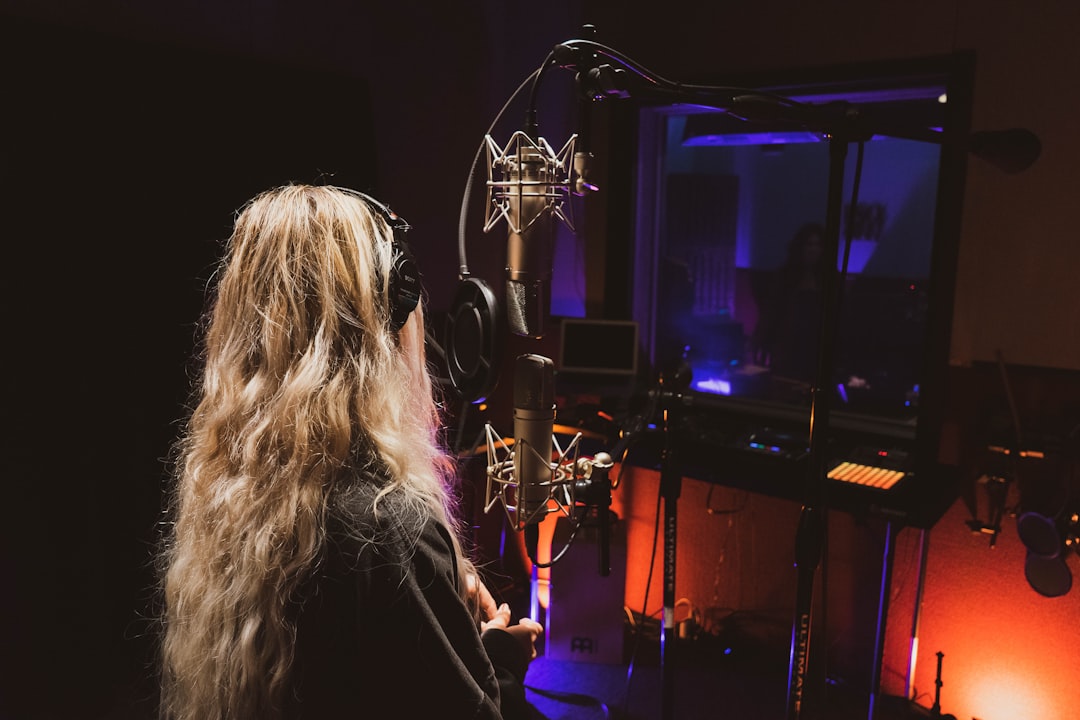
I get this question every single day. The good news is that voice over work is now more accessible than ever. Modern recording technology allows aspiring talent to work from home affordably.
Seven Key Steps to Getting Started
1. Find a Quiet Recording Space
Your house is very loud. Find the quietest area in your home. Closets are particularly useful since clothing naturally reduces echo and background noise. For a full walkthrough, see our guide to setting up a home voiceover studio on a budget.
2. Purchase a Microphone
Avoid expensive equipment initially. You can upgrade gear later if your career grows. Check my recommended gear page for suggestions at every budget level.
3. Get Comfortable Recording
Practice using your microphone with free software like Audacity or paid options such as Reaper and Pro Tools. Read instruction manuals and watch YouTube tutorials to build proficiency.
4. Create Demo Samples
Record performances using sample scripts found at voices.com, compiling them into a "demo reel" that serves as your professional business card. Our post on how to build a voiceover demo reel that books work covers the full process. For a polished product, consider professional demo production.
5. Join Freelance Platforms
Sign up for sites like Fiverr and Upwork. After 15 months on Fiverr, I left teaching to pursue voice acting full-time, doubling my salary while reducing my work hours.
6. Network with Other Voice Actors
Join groups and communities to share best practices and learn from peers. Our free Discord server is a great place to start.
7. Continue Learning
Ongoing improvement is essential. You'll notice consistent progress when reviewing older projects. Consider hiring a coach for structured guidance.
The Most Important Advice
Just get started. Don't overthink it. The only thing holding you back is hesitation. Take the first step today.
Get voiceover tips in your inbox

Trevor O'Hare
Voiceover Coach & Founder of VOTrainer
Trevor is a professional voice actor turned coach with over two decades in audio production. He has completed thousands of voiceover projects for brands of all sizes and now helps aspiring and working voice actors build their careers through 1-on-1 coaching, demo production, and online courses. He also works as a full-time voiceover artist at TrevorOHare.com. Looking to hire voice talent? Check out RealVOTalent.com.
Related posts
Voice Acting vs Voiceover: What Is the Difference?
Voice acting and voiceover get used interchangeably, but they describe two different things: one is a category of work, the other is a performance craft. Here is what separates them and why it matters for your career path.
How to Use Social Media to Grow Your Voiceover Career
Social media can bring casting directors and clients straight to your inbox, but only if you post like a working voice actor instead of a hobbyist. Here's how to use Instagram, LinkedIn, and TikTok to build a brand that actually books work.
How to Build a Voiceover Portfolio With No Experience
You don't need paying clients to build a voiceover portfolio that gets you noticed. Here's how to create legitimate, professional samples from scratch, plus where to put them so casting directors actually hear them.