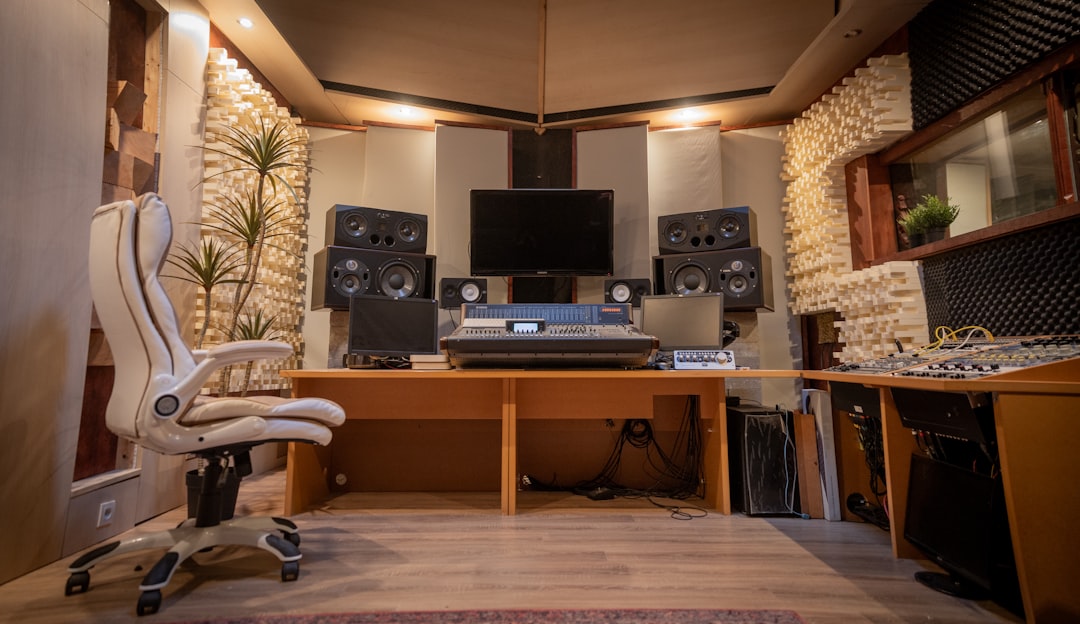
The primary concern for quality recording is the space in which you record. Sound bounces off hard, reflective surfaces in untreated rooms, creating unwanted echo and reverb. The solution involves absorbing and deflecting sound waves.
Four Approaches
Free option: Record in a closet filled with clothes and soft items for minimal absorption.
Budget-friendly ($200-$300): Construct a booth using moving blankets and PVC pipe framing — a surprisingly effective way to reduce or eliminate room reflections.
Professional setup: Install acoustic foam panels. Thickness matters significantly. I experienced poor results with 1" foam but found 4" foam much more effective at eliminating reflections.
Key insight: Room treatment outweighs upgrading microphones or interfaces. Fix your space before spending money on new gear.
For microphone recommendations to pair with proper treatment, see our guide to choosing the right microphone.
Check our recommended gear page for specific product recommendations at every level.
Get voiceover tips in your inbox

Trevor O'Hare
Voiceover Coach & Founder of VOTrainer
Trevor is a professional voice actor turned coach with over two decades in audio production. He has completed thousands of voiceover projects for brands of all sizes and now helps aspiring and working voice actors build their careers through 1-on-1 coaching, demo production, and online courses. He also works as a full-time voiceover artist at TrevorOHare.com. Looking to hire voice talent? Check out RealVOTalent.com.
Related posts
Best Audio Interface for Voice Acting and Home Studios
The best audio interface for voice acting at every budget: Focusrite, MOTU, Audient, and RME picks, plus the specs that matter in a home studio.
Best Studio Headphones for Voice Actors and Narrators
The best headphones for voiceover are closed-back. Here are the specific models I record, edit, and make final quality calls with.
Best Budget Microphones for Voice Over: 3 Tested Picks
Three microphones I've used professionally, from $70 to $999. The best budget pick for beginner voice actors, USB vs XLR, and what changes your sound.