Best Budget Microphones for Voice Over: 3 Tested Picks
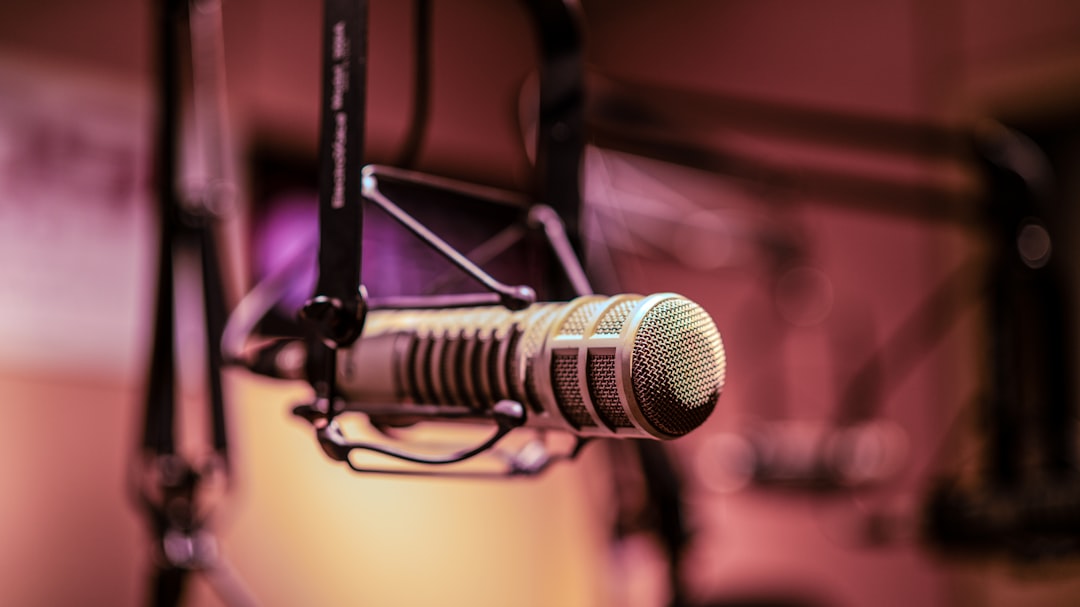
Choosing the right microphone is one of the first big decisions for any voice actor. I've used multiple mics at every price point professionally, and each one earned me real money. Here's what I recommend at three tiers.
Budget Pick: Samson Q2U (~$70)
The Samson Q2U is the best budget microphone for voice over beginners, and it's the first mic I recommend on our recommended gear page. What makes it special is the dual USB/XLR output. You can plug it into your computer via USB today, then switch to XLR with an audio interface later without buying a new mic.
For the price, the sound quality is genuinely impressive. You can start recording auditions and delivering paid work the same day it arrives. I know voice actors earning steady income on Fiverr and Upwork with budget mics in this range.
If you want to spend a bit more, the Audio-Technica AT2020 (~$100) is a studio condenser that's been a voice over staple for years. It's XLR only, so you'll need an audio interface like the Focusrite Scarlett Solo (~$100).
Best for: Beginners who want to start recording immediately without a big upfront investment.
Mid-Range: Shure SM7dB (~$399)
The Shure SM7dB is a dynamic microphone with a built-in preamp, which means you no longer need a separate signal booster like a Cloudlifter or Fethead. I used the original SM7B to earn thousands on Fiverr, and the SM7dB is a meaningful upgrade.
Dynamic mics are more forgiving in imperfect recording spaces. The SM7dB rejects background noise better than most condensers, so if your home studio isn't perfectly treated, this mic compensates. You will need an audio interface (the Focusrite Scarlett Solo 4th Gen runs about $100) and an XLR cable.
Best for: Voice actors ready to invest in a mic they can grow into, especially if recording in a less-than-perfect space.
Professional: Sennheiser MKH416 (~$999)
The Sennheiser MKH416 is the industry standard shotgun microphone for voice over. I experienced an immediate improvement across the board after upgrading: clarity, presence, and that broadcast-ready quality clients notice. This is the mic you hear in countless commercials, narrations, and audiobooks.
The MKH416 is a condenser with a tight pickup pattern, meaning it captures your voice with precision while rejecting room noise from the sides and rear. You'll need a quality audio interface and a properly treated space to get the most out of it.
Best for: Working voice actors investing in a long-term professional setup.
USB vs XLR: Which Should You Choose?
USB microphones plug directly into your computer. No interface, no cables, no extra cost. The trade-off is less flexibility. You can't swap preamps or chain outboard gear, and USB mics typically have slightly less dynamic range than their XLR counterparts.
XLR microphones connect through an audio interface, which converts the analog signal to digital. This gives you more control over gain, better signal quality, and the ability to upgrade individual components over time. The downside is the additional cost ($100-$200 for a decent interface).
My recommendation: If budget is tight, the Samson Q2U gives you both USB and XLR so you don't have to choose. If you can afford the extra $100 for an interface from day one, go XLR. Either way, you can produce professional-quality recordings.
What Actually Matters More Than Your Microphone
Here's something most gear guides won't tell you: your recording space matters more than your mic. A $999 microphone in an untreated room will sound worse than a $70 mic in a properly treated closet.
Before upgrading your microphone, make sure you've addressed:
- Acoustic treatment or a recording space with soft, absorptive surfaces
- Consistent mic technique (distance, angle, and position)
- Noise control (HVAC, computer fans, outside traffic)
Check our recommended gear page for the full current list including interfaces, headphones, and boom arms. Read about sound treatment options if your space needs work.
My Philosophy
Buy it once, buy it for life, if you can. Getting the best affordable gear upfront saves you from costly upgrades down the road. But don't let gear paralysis keep you from starting. The best microphone is the one you actually use to record, audition, and book work.
If you're not sure which setup is right for your situation, book a coaching session and we can figure it out together.
The product links above are affiliate links. Purchasing through them helps support VOTrainer at no extra cost to you.
Get voiceover tips in your inbox

Trevor O'Hare
Voiceover Coach & Founder of VOTrainer
Trevor is a professional voice actor turned coach with over two decades in audio production. He has completed thousands of voiceover projects for brands of all sizes and now helps aspiring and working voice actors build their careers through 1-on-1 coaching, demo production, and online courses. He also works as a full-time voiceover artist at TrevorOHare.com. Looking to hire voice talent? Check out RealVOTalent.com.
Related posts
Best Audio Interface for Voice Acting and Home Studios
The best audio interface for voice acting at every budget: Focusrite, MOTU, Audient, and RME picks, plus the specs that matter in a home studio.
Best Studio Headphones for Voice Actors and Narrators
The best headphones for voiceover are closed-back. Here are the specific models I record, edit, and make final quality calls with.
Sound Treatment and Isolation at Home
How to soundproof a home voiceover studio on any budget. Four acoustic treatment approaches from free closet recording to professional foam, with the key insight most beginners miss.