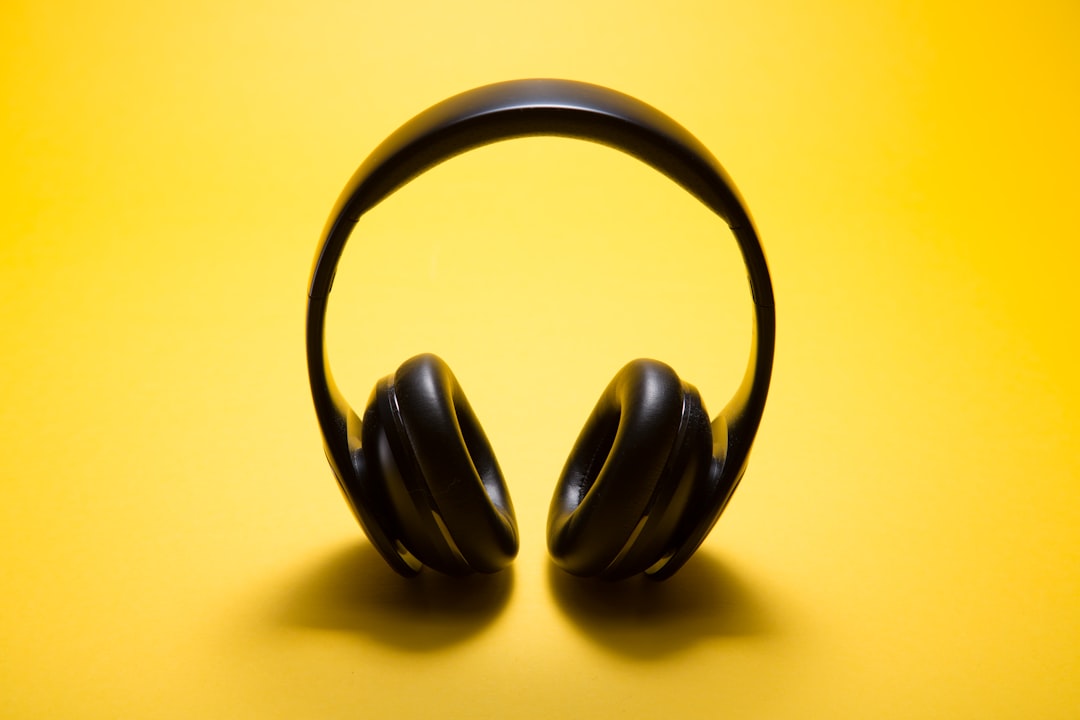
Your headphones are the one piece of gear that touches every part of your voiceover workflow. You record with them on, you punch and edit with them, and you make final quality decisions through them before a file ever reaches a client. Pick the wrong pair and you will second-guess every take. Pick a good pair and you stop thinking about the gear and start thinking about the read.
If you are building or upgrading a home booth, this guide covers what actually matters and which specific models I put in front of my coaching students.
Closed-Back Is Non-Negotiable for Recording
The single most important spec for a voice actor is the enclosure type. Closed-back headphones seal around your ears and keep the sound trapped inside. Open-back headphones let audio bleed out the back of the earcup, which sounds wonderful for casual listening and is a disaster when there is a sensitive condenser mic six inches from your face.
That bleed gets picked up as a faint, tinny echo of your own playback, and once it is baked into a recording you cannot remove it cleanly. For any work where you record and monitor at the same time, closed-back is the only safe choice. This is the core reason studio headphones for voice acting differ from the audiophile pairs people recommend online.
If you also do a lot of editing in a quiet, isolated space and want a second pair purely for that, open-back can be a nice luxury later. For your first and primary pair, stay closed.
What Actually Matters in Voiceover Monitoring Headphones
A few specs deserve your attention, and a lot of marketing copy does not.
Comfort for long sessions. You may wear these for three or four hours straight. Clamping force, earpad material, and headband padding matter more than almost anything else. Sore ears wreck your focus faster than any frequency response chart.
A reasonably flat, honest sound. You want the best headphones for voiceover to tell you the truth, not flatter you. Hyped bass hides plosives and rumble. Scooped mids mask sibilance. A relatively neutral pair lets you catch mouth clicks, breaths, and room noise that a "fun" consumer headphone will smooth over.
Detail in the high mids and highs. This is where clicks, esses, and digital artifacts live. Headphones that reveal that range help you self-edit before a client ever flags it.
Durability and replaceable parts. Earpads wear out. The pairs worth owning let you swap pads and sometimes cables instead of buying a whole new set.
Wired, always. Skip Bluetooth for monitoring. Wireless adds latency, and hearing your own voice a fraction of a second late while you record is maddening.
My Go-To Recommendations
These are real workhorses I have used or fitted to students' booths. Prices drift, so treat these as ballpark tiers rather than exact figures.
Sony MDR-7506 (the safe default). This is the closest thing the industry has to a standard. You will see them in radio stations, post houses, and field kits everywhere. They are light, fold up for travel, sit around the hundred-dollar range, and reveal sibilance and clicks honestly. The sound leans a touch bright, which is actually helpful for catching edits. If you want one pair and you want to stop researching, buy these.
Audio-Technica ATH-M50x (the all-rounder). A favorite for people who want one pair that handles recording, editing, and casual listening. Slightly more bass presence than the Sony, very comfortable, with a detachable cable. A strong pick if you also produce music or podcasts alongside your voiceover monitoring headphones duties.
Beyerdynamic DT 770 Pro (the comfort king). Plush velour earpads and a roomy fit make these ideal for marathon sessions, audiobook narrators especially. They come in different impedance versions, so for a home interface get the 32-ohm or 80-ohm model rather than the 250-ohm, which really wants a dedicated headphone amp.
Sennheiser HD 280 Pro (the isolation pick). If your recording space is not perfectly quiet, these clamp firmly and block outside noise well. That same clamp means they can feel tight at first, so they suit shorter sessions or noisier environments better than all-day audiobook work.
Any of these four will serve you for years. There is no wrong answer in this group, only the one that fits your head and your room best.
Matching the Pair to Your Work
The right choice depends on what you record most.
Audiobook and long-form narrators should weight comfort heavily. Three-hour stretches are normal, so the DT 770 Pro or the M50x tend to win. Velour pads breathe better than leatherette over long sessions.
Commercial, character, and short-form actors can lean toward the bright, revealing Sony MDR-7506, since catching a single click in a fifteen-second spot matters and sessions are shorter.
Anyone in a noisy or untreated space benefits from the heavier isolation of the HD 280 Pro while you sort out your room treatment.
One habit worth building no matter which pair you choose: do a final quality pass on your actual delivery headphones, then spot-check on a cheap pair of earbuds. Clients and listeners use all kinds of playback, and an edit that sounds clean on studio cans should hold up on the gear real people use.
Care, Setup, and Getting the Most From Them
Plug straight into your audio interface, not your computer's headphone jack, so you get clean, low-noise monitoring and proper level control. Set your monitoring volume lower than feels natural at first. Loud playback tricks you into under-performing and tires your ears within an hour.
Keep a spare set of earpads on hand. Worn, flattened pads change both comfort and sound, and replacing them brings most headphones back to life for a fraction of the cost of new ones. Store them on a hook or stand rather than crushed in a bag, and let velour pads air out between sessions.
Good headphones are a small investment that pays off in every file you deliver. If you want help choosing the right pair for your specific booth, voice type, and the kind of work you are chasing, my one-on-one coaching covers home studio setup alongside performance, and my gear guides break down the rest of the chain from mic to interface. Get the monitoring right, and the rest of your studio decisions get a lot easier.
Get voiceover tips in your inbox

Trevor O'Hare
Voiceover Coach & Founder of VOTrainer
Trevor is a professional voice actor turned coach with over two decades in audio production. He has completed thousands of voiceover projects for brands of all sizes and now helps aspiring and working voice actors build their careers through 1-on-1 coaching, demo production, and online courses. He also works as a full-time voiceover artist at TrevorOHare.com. Looking to hire voice talent? Check out RealVOTalent.com.
Related posts
Best Audio Interfaces for Voice Actors and Home Studios
A practical guide to choosing the right audio interface for voiceover work, covering the specs that actually affect your recordings, solid picks at every budget, and how to match an interface to your microphone.
Best Budget Microphone for Voice Over: 3 Tested Picks
Three voice over microphones I've used professionally, from $70 to $999. Which one to buy at each budget, USB vs XLR, and what actually changes your sound.
Sound Treatment and Isolation at Home
How to soundproof a home voiceover studio on any budget. Four acoustic treatment approaches from free closet recording to professional foam, with the key insight most beginners miss.